Root Canal Therapy
Gentle treatment that saves an infected or badly decayed tooth and relieves the pain that comes with it.
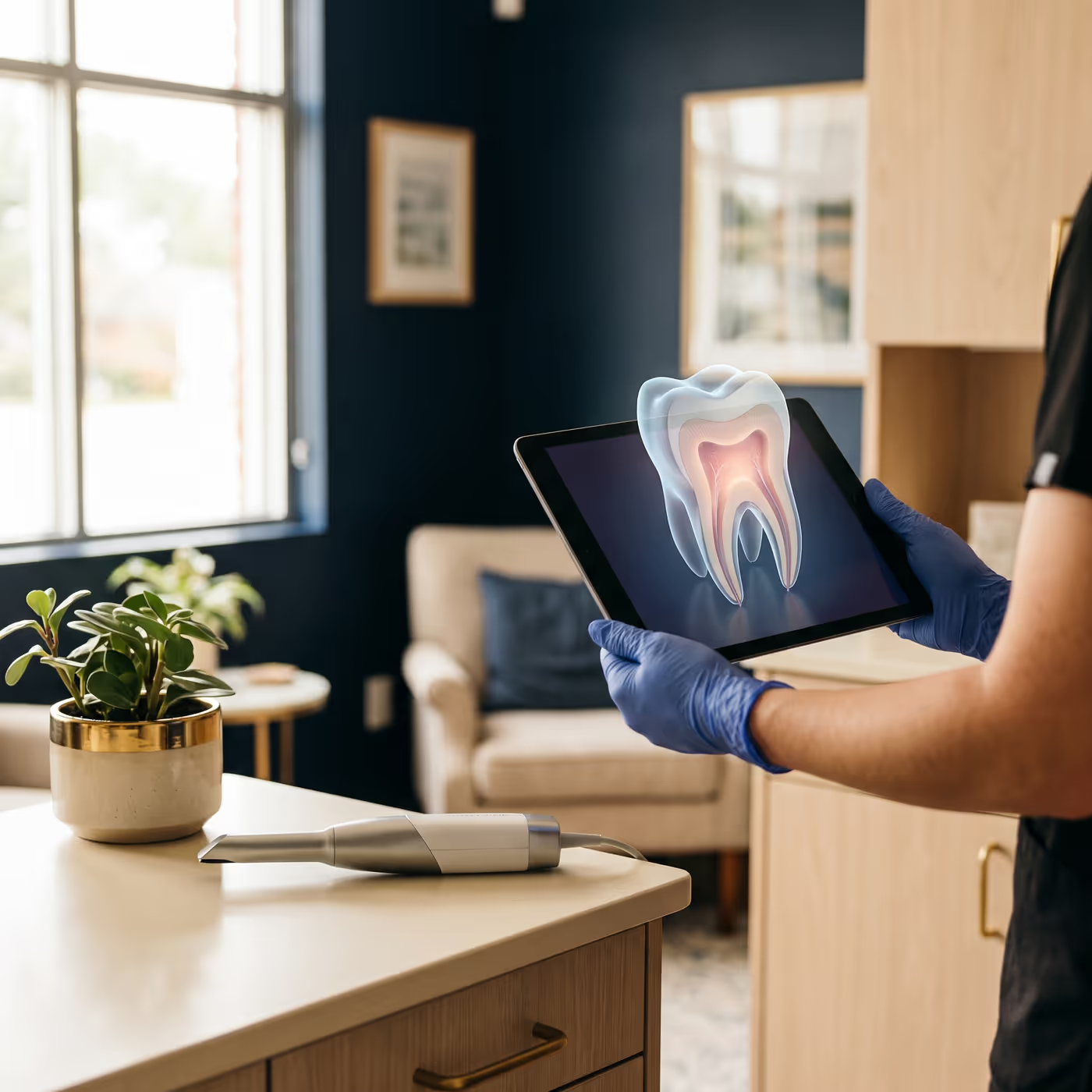
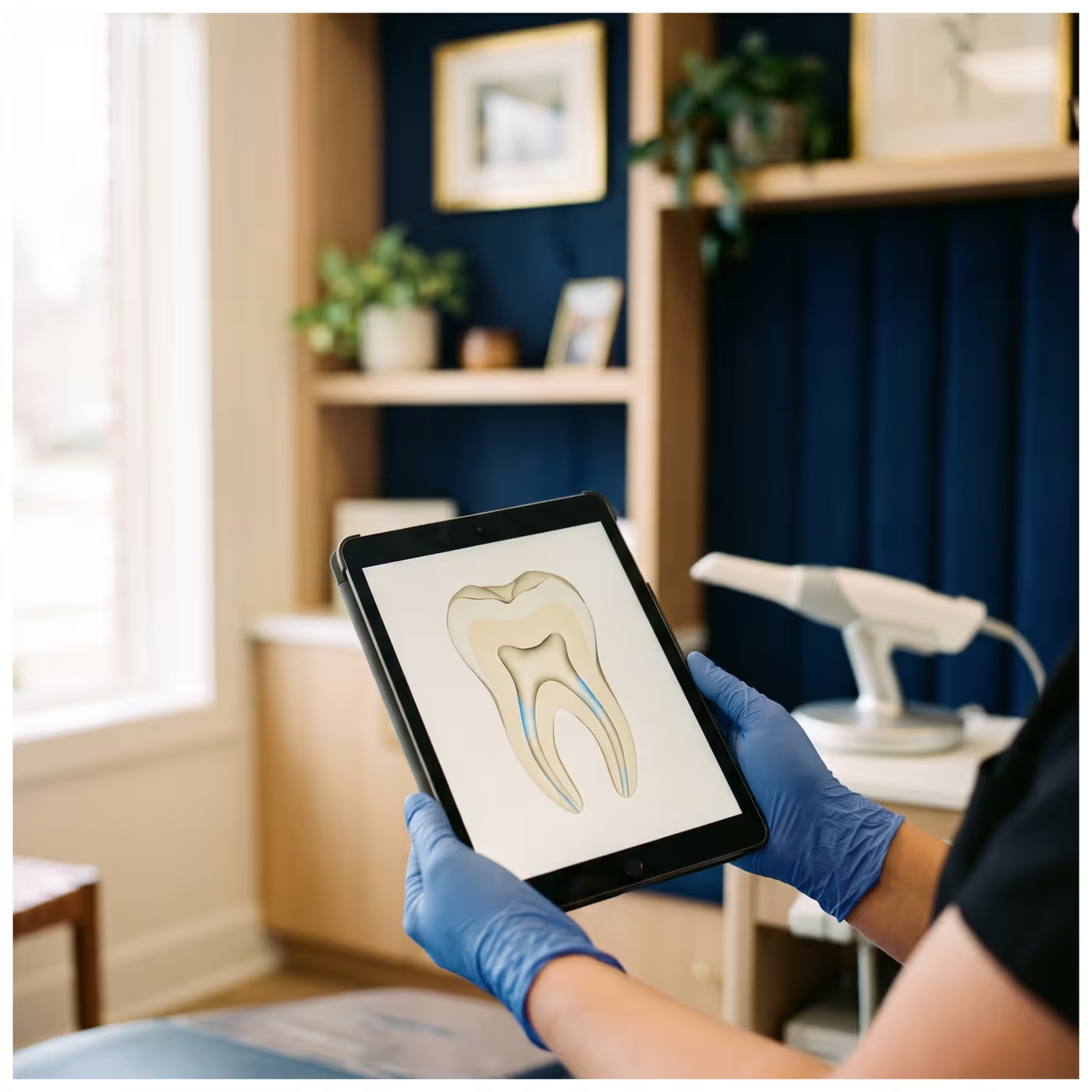
A root canal treats infection or damage deep inside a tooth, in the soft pulp that holds its nerves and blood supply. Dr. Pandya removes the infected tissue, cleans and seals the space, and leaves your natural tooth in place. It is one of the most reliable ways to stop dental pain and keep a tooth you would otherwise lose.
You are numbed thoroughly so the tooth and the area around it stay comfortable the whole time. Dr. Pandya makes a small opening, clears out the infected pulp, then shapes and disinfects the inner canals. The space is filled and sealed, and in most cases the tooth is later protected with a crown so it can handle normal chewing again.
The throbbing, heat sensitivity, and pressure that come with an infected tooth ease once the source is removed. You keep your own tooth, your bite stays intact, and you avoid the gap and added cost that follow an extraction. With good care afterward, a treated tooth can last for many years.
FAQ
Frequently Asked Questions
Common questions about root canal therapy.
Common signs include lingering pain, sensitivity to hot or cold that does not fade, swelling near a tooth, or a tooth that has darkened. Some infected teeth cause little pain at all, which is why an exam and X-ray are the only way to know for sure. Dr. Pandya will walk you through what the images show before anything is decided.
The procedure is done under local anesthetic, so it feels much like having a filling placed. Most of the discomfort people fear actually comes from the infection beforehand, and that is what the treatment relieves. If dental anxiety is a concern, tell us and we will make the visit as calm as possible.
Yes. Pulp therapy treats the soft inner tissue of a tooth, and in children it can save a baby tooth affected by deep decay or injury. It works on the same idea as a root canal, and Dr. Pandya will explain whether it is the right step for your child's tooth.
Most root canals are finished in one or two visits, depending on the tooth and how much infection is present. Front teeth with a single canal tend to go quickly, while back molars take a little longer. We will give you a clear time estimate before we begin.
Usually yes, especially for back teeth that take on heavy chewing force. A treated tooth can become brittle over time, and a crown protects it from cracking. Dr. Pandya will tell you whether your tooth needs one and why.
Mild tenderness for a few days is normal and usually settles with over-the-counter pain relief. You can return to normal activities right away, and we will ask you to avoid chewing hard foods on that side until the tooth is fully restored.
Explore More
Related Treatments
Discover other ways we can help you achieve a healthier, brighter smile.